Waymark
Background Top
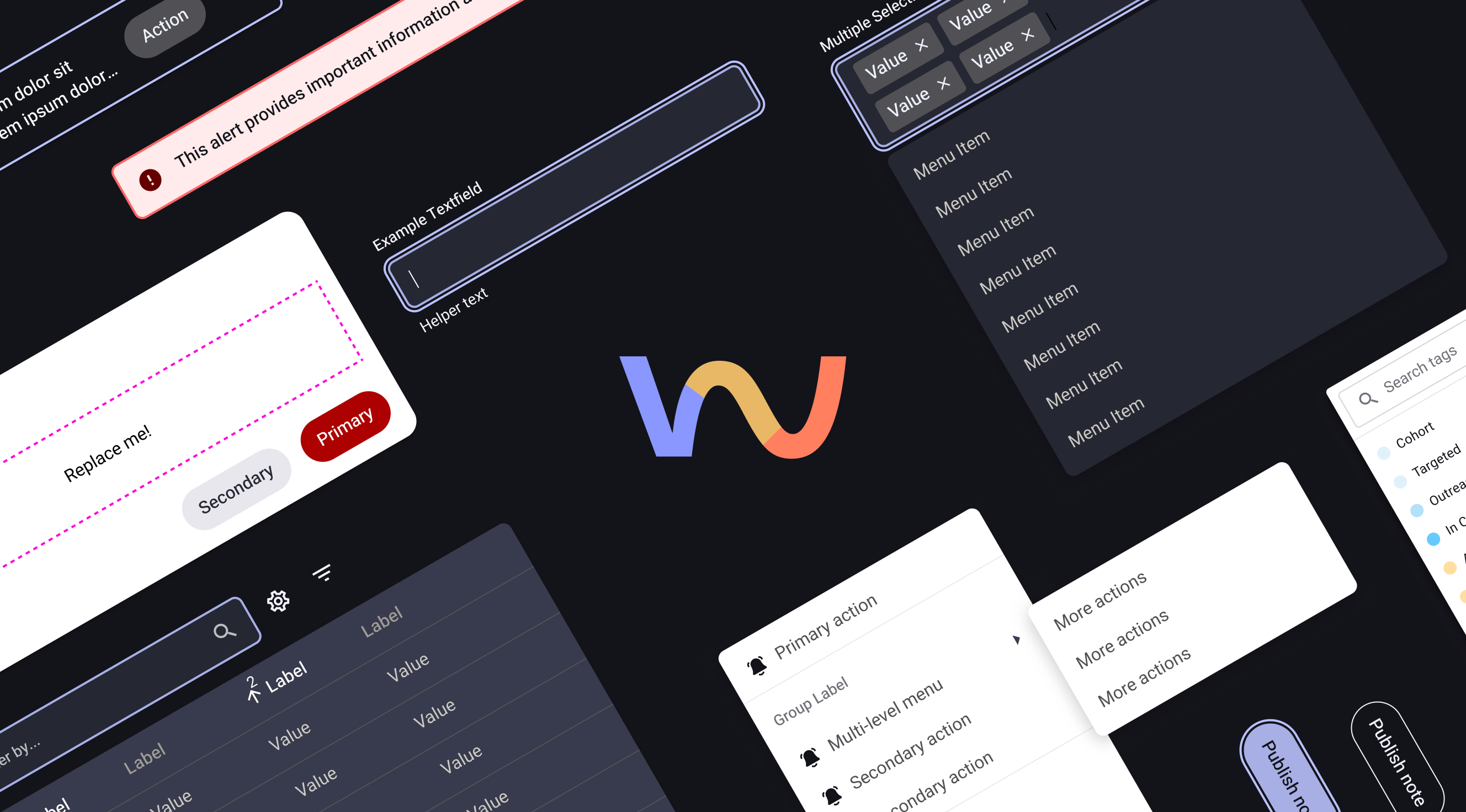
Waymark was more than just a health tech startup. It was an opportunity to make a real difference in the lives of people who needed it the most. By combining value-based community outreach with predictive AI, Waymark aimed to transform healthcare delivery for historically underserved Medicaid populations. I helped them redefine the care experience through thoughtful UX and a human-centered approach.
My Role Top
In 2024, I joined Waymark to lead design for Lighthouse, Waymark's internal patient management platform. I built a comprehensive design system in Figma, and partnered with engineering to develop a production component library in Storybook. Working closely with Product, I translated strategic ideas into intuitive user flows and introduced structured user testing to ensure alignment with real-world needs.
Focus areas: Design systems, process, team leadership, product design
The Problem Top
Following a brand refresh, Lighthouse required visual alignment while continuing to ship new features. Redesign efforts risked delaying development, and fragmented communication between design and engineering had led to inconsistencies. There was also no formal user testing process.
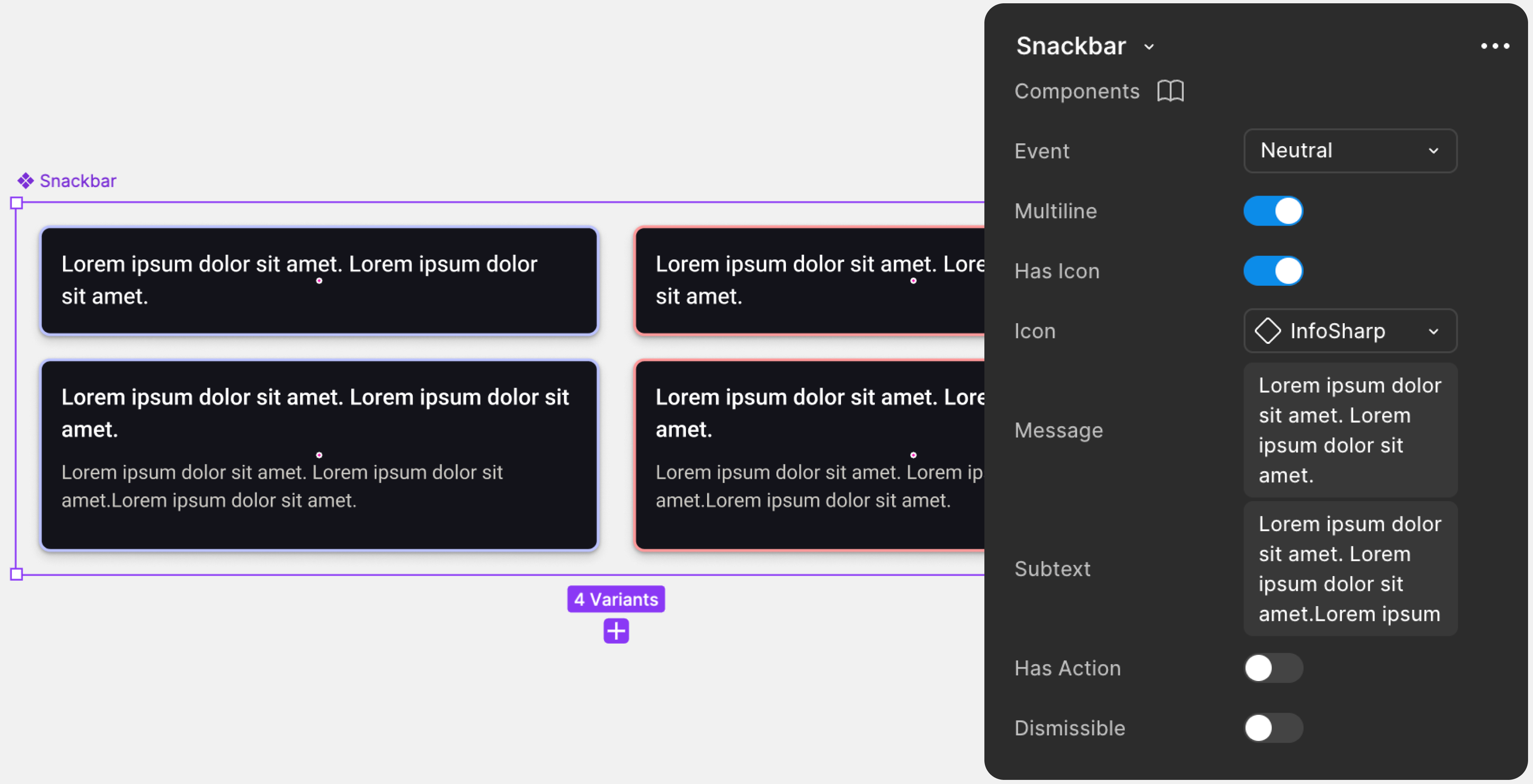
I addressed these challenges by delivering immediate UI improvements while building a scalable design system in parallel. This enabled continued feature development, reduced friction, and improved cross-functional collaboration.
Process And Discovery Top
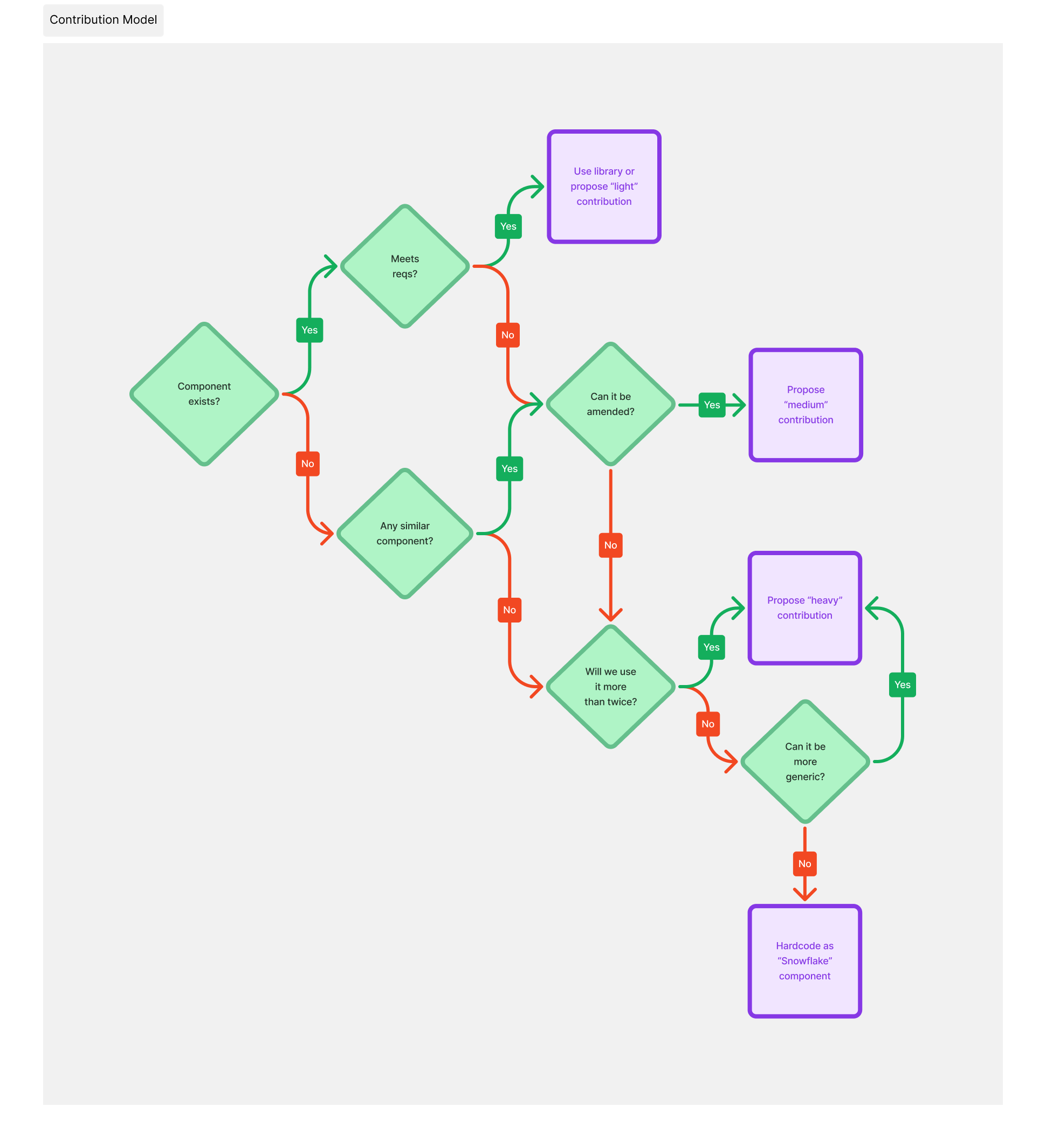
I mentored and transitioned a senior designer from contract to full-time, while fostering a culture of ownership and collaboration. I introduced weekly design critiques, office hours, and asynchronous feedback loops, along with a repeatable design process integrated into Agile sprints. This ensured designers remained closely aligned with product priorities while maintaining space for exploration and iteration.
Building A Design System Top
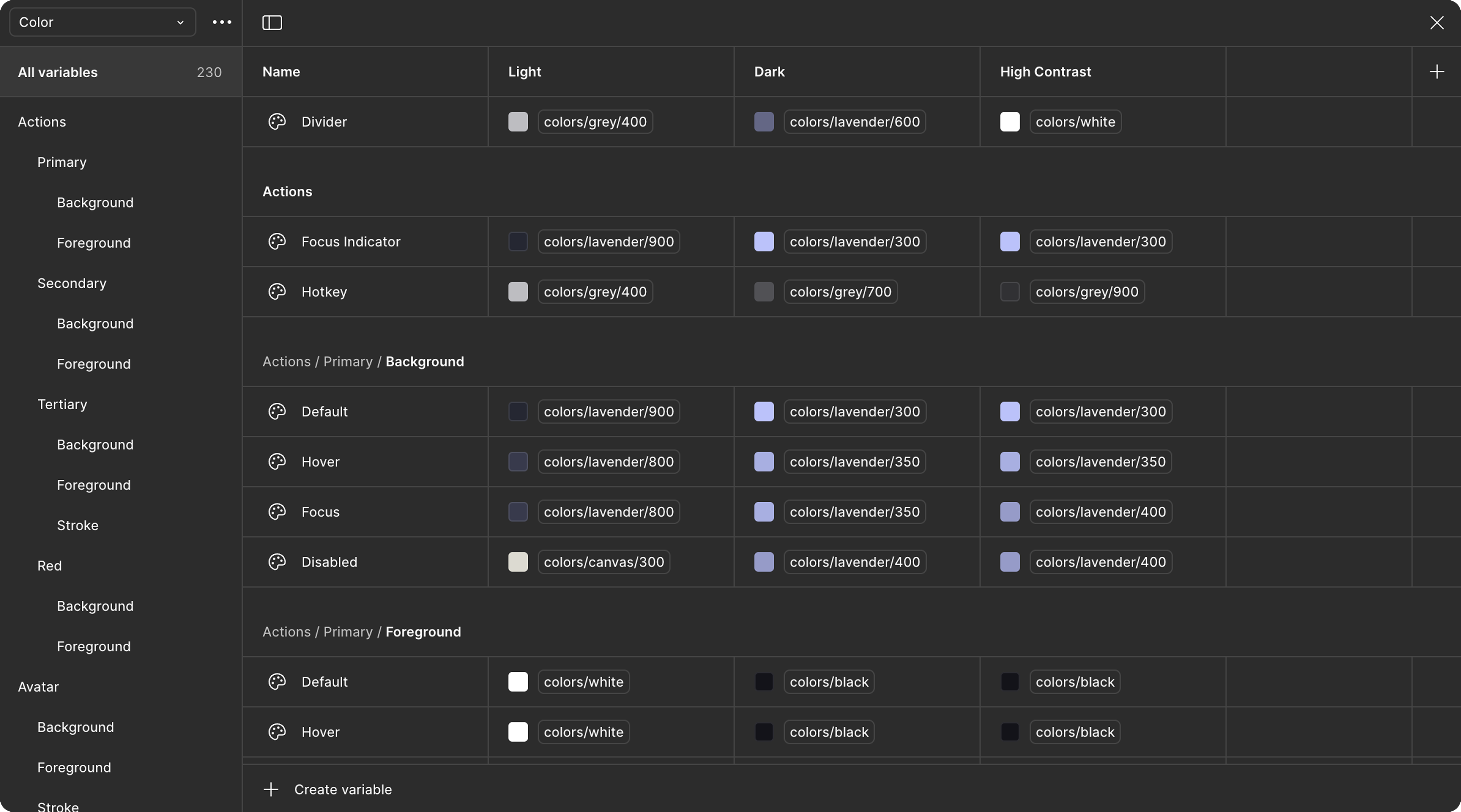
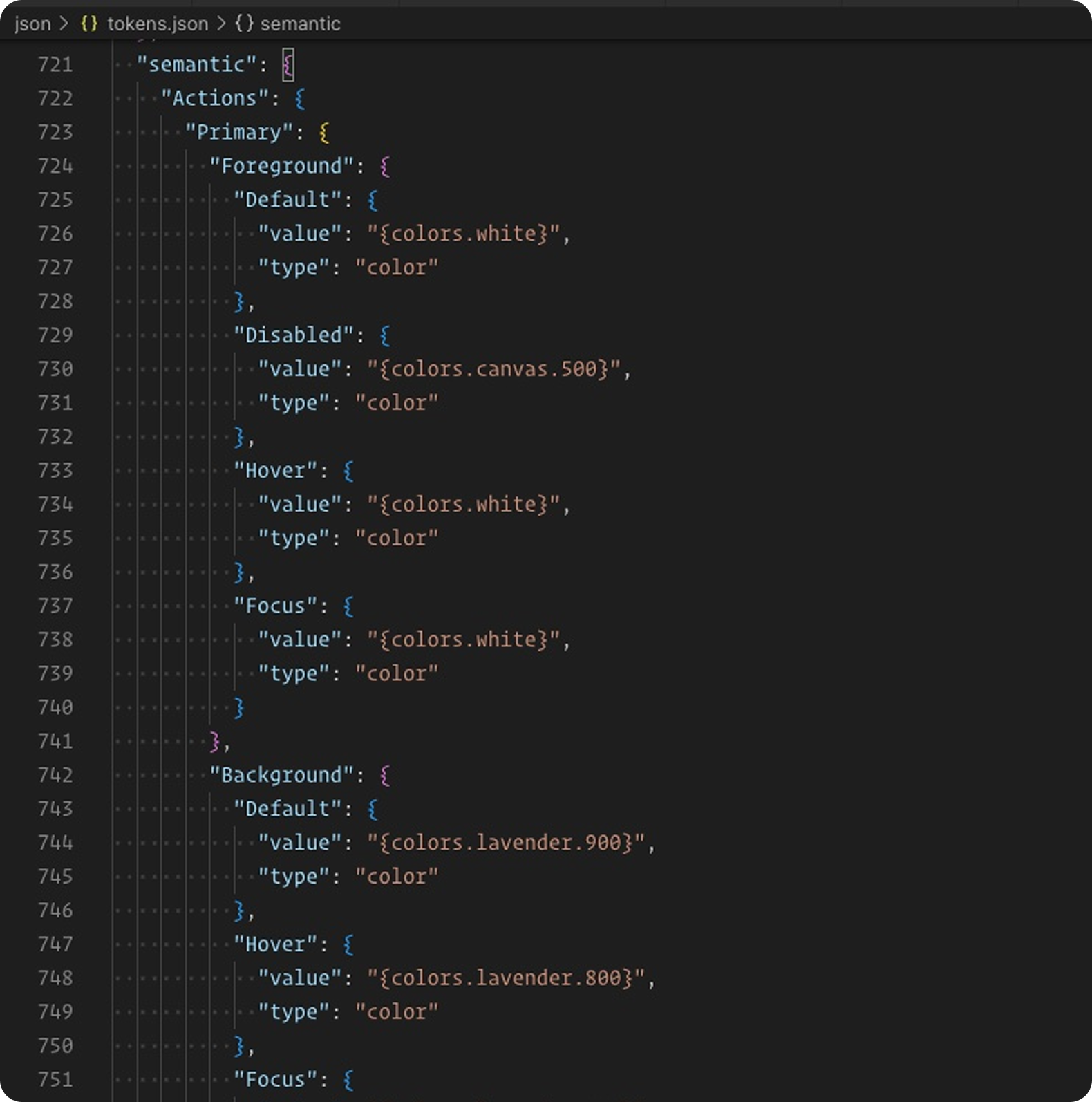
To improve consistency and scalability, I led the creation of Waymark's design system. Built in Figma, it included modular components, typography and color scales, layout guidelines, and Figma variables for typography, theming, spacing, and role-based UI variations.
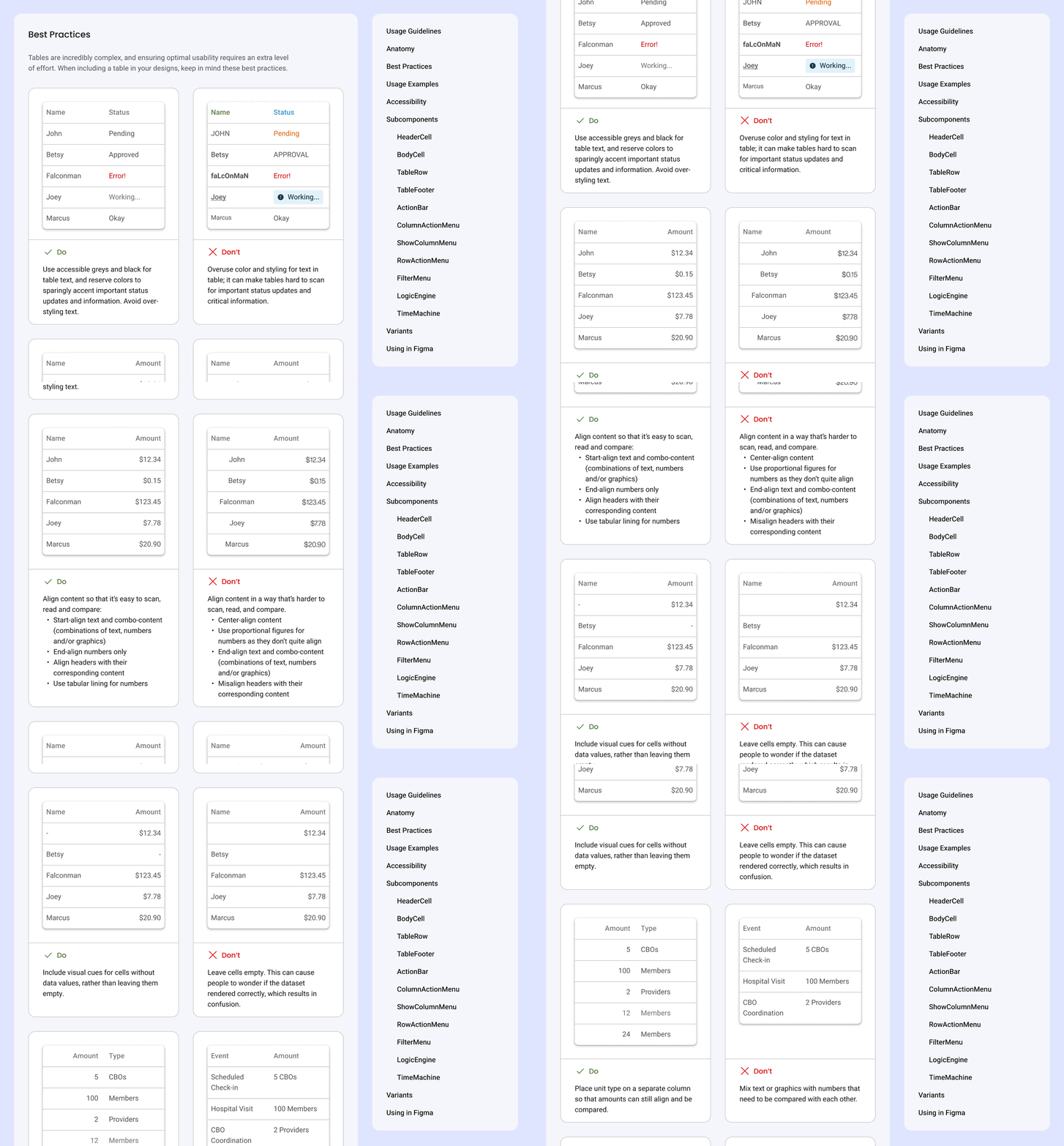
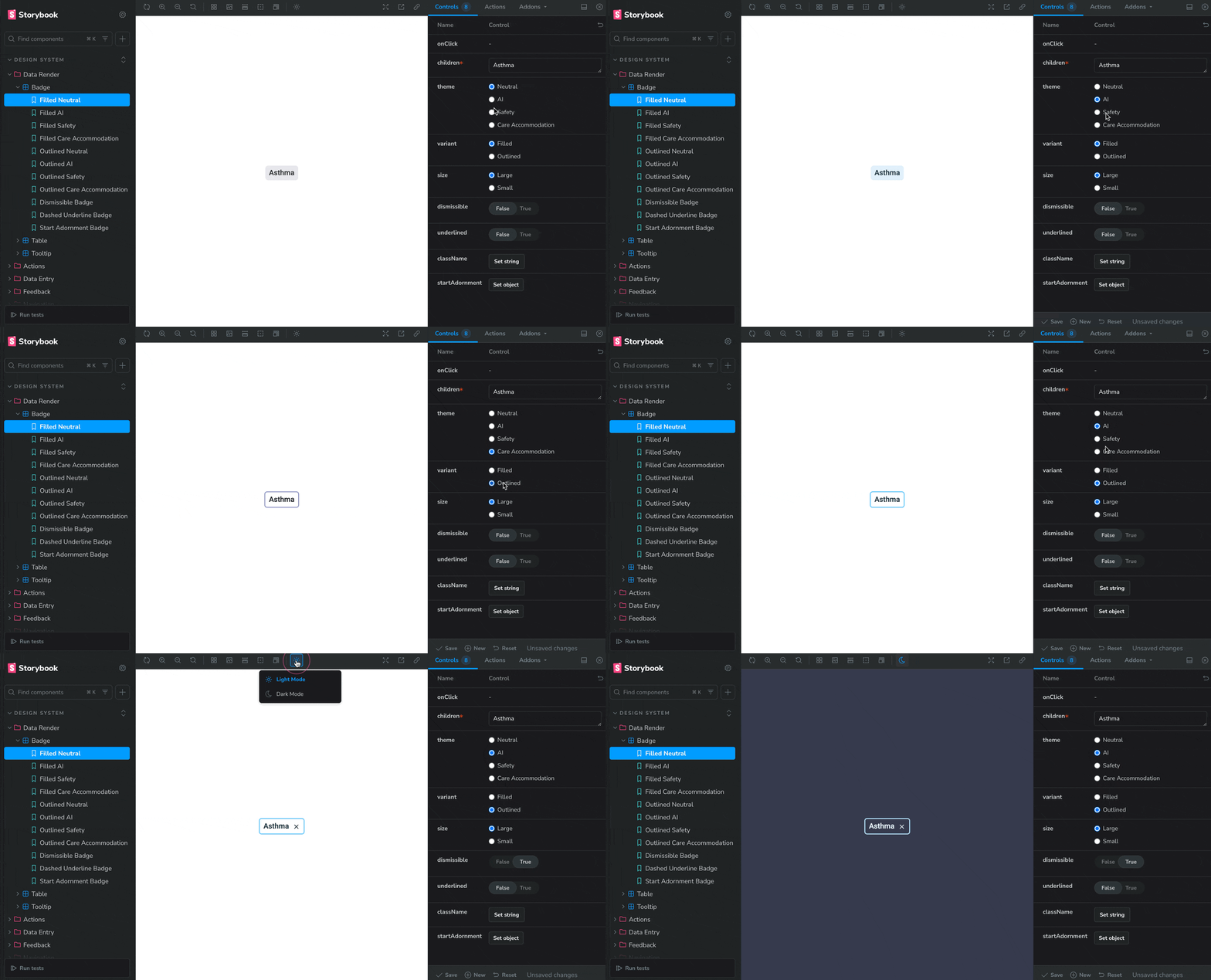
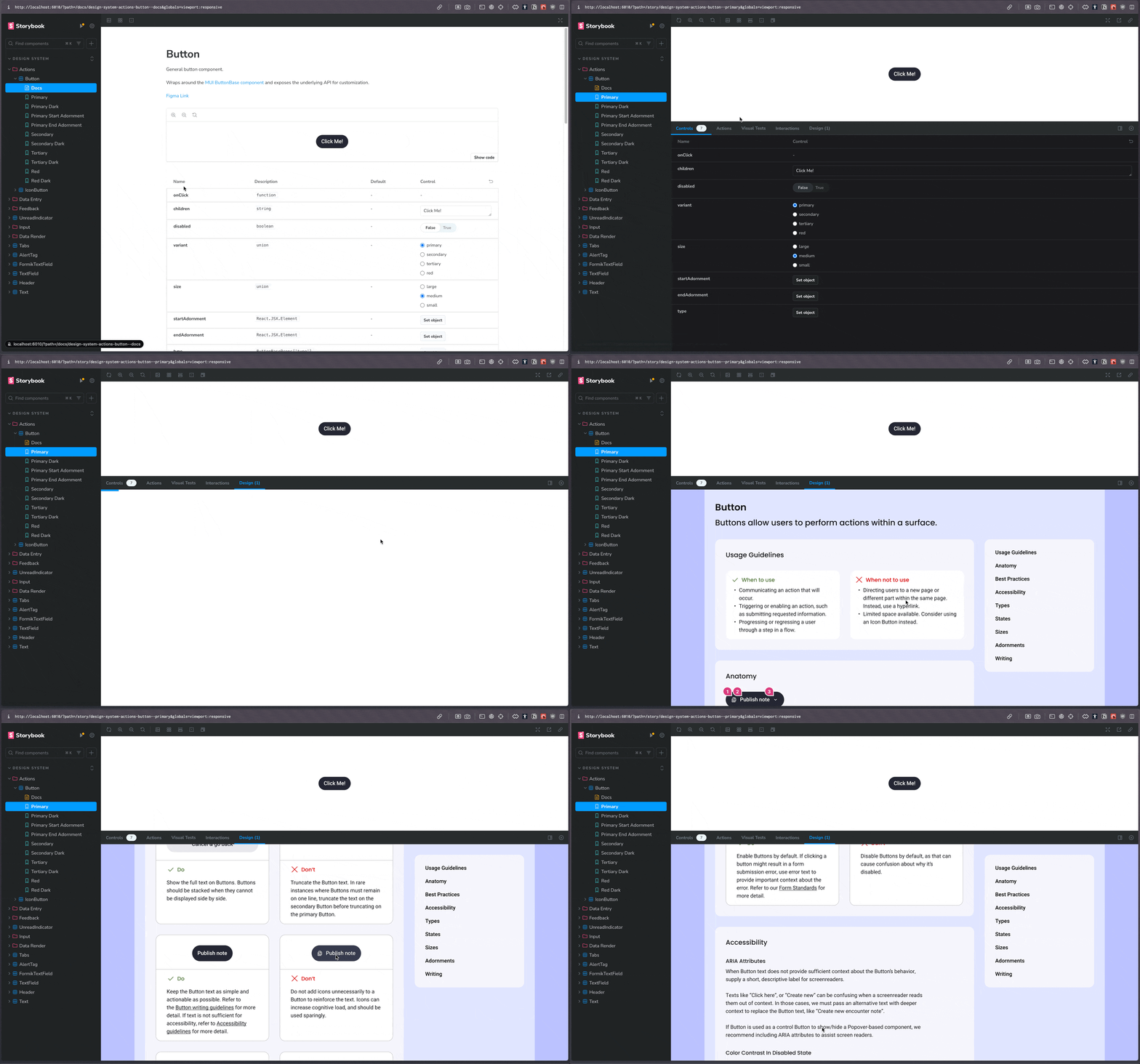
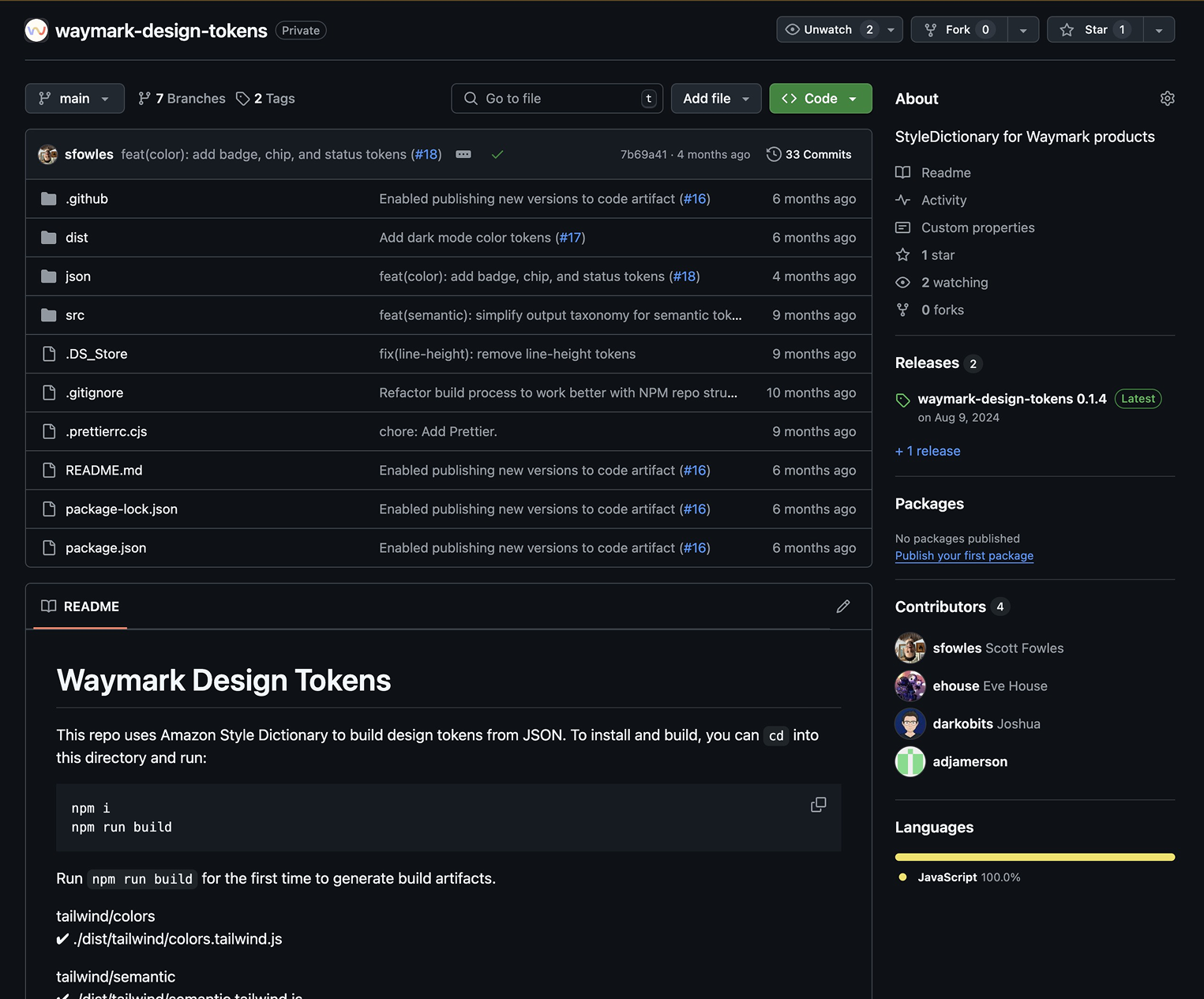
In partnership with engineering, I synchronized the Figma library with Storybook to establish a live, fully documented component library as a single source of truth. This reduced development time, improved accessibility compliance, and enabled faster, more consistent feature releases.
Partnering With Engineering Top
Having coding expertise, I developed Figma plugins and contributed directly to the Storybook codebase. This strengthened collaboration with Engineering and ensured high-fidelity, accessible implementation of design specifications. The result was greater trust, efficiency, and product quality.
Driving Design Execution Top
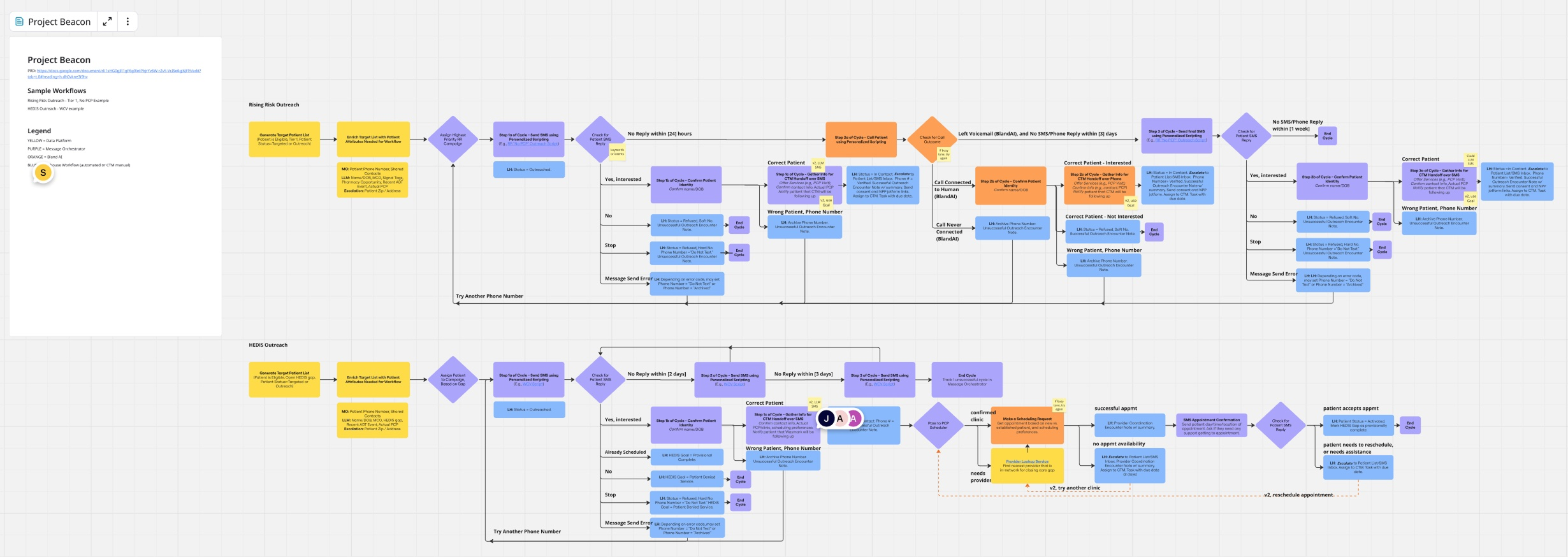
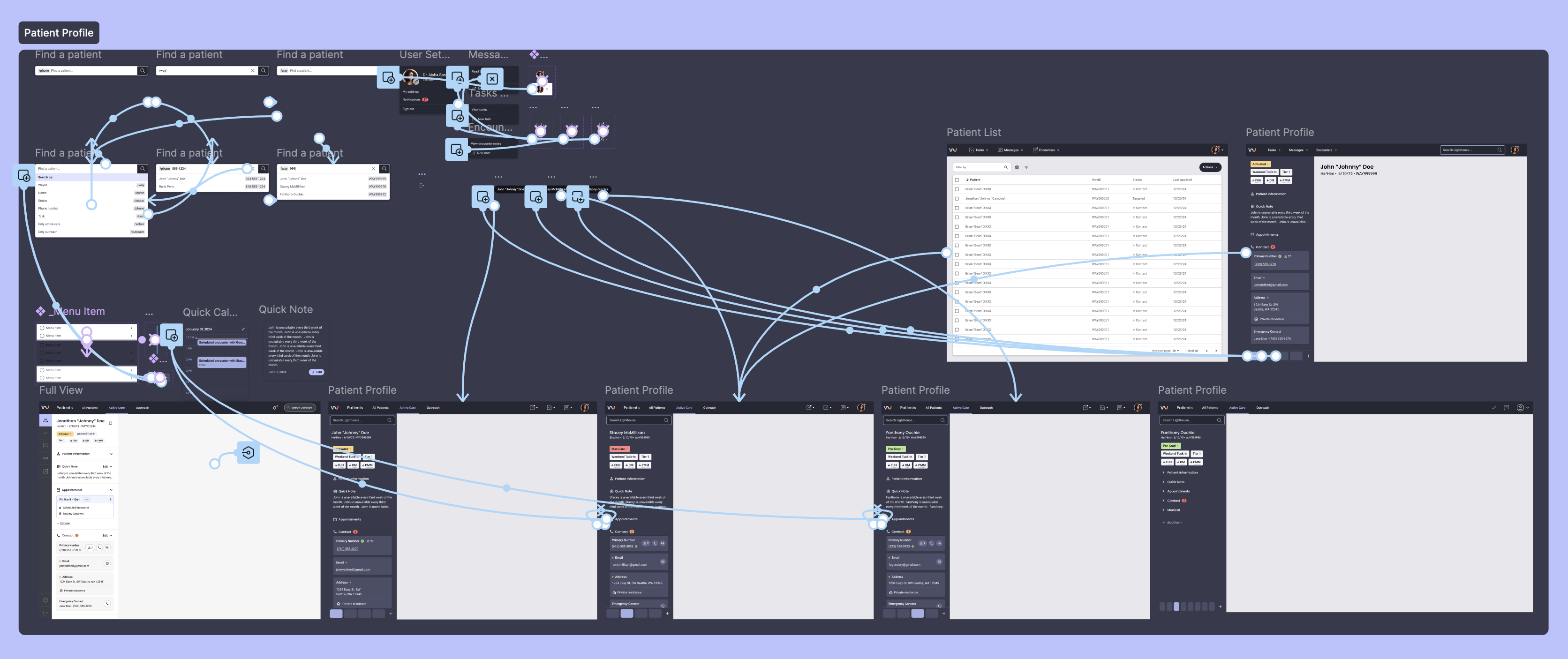
I played a hands-on leadership role in moving concepts from strategy to launch, translating business goals and user insights into clear interaction models and user flows. This approach ensured experiences were intuitive and directly tied to growth OKRs and care team outcomes.
User Testing Strategy Top
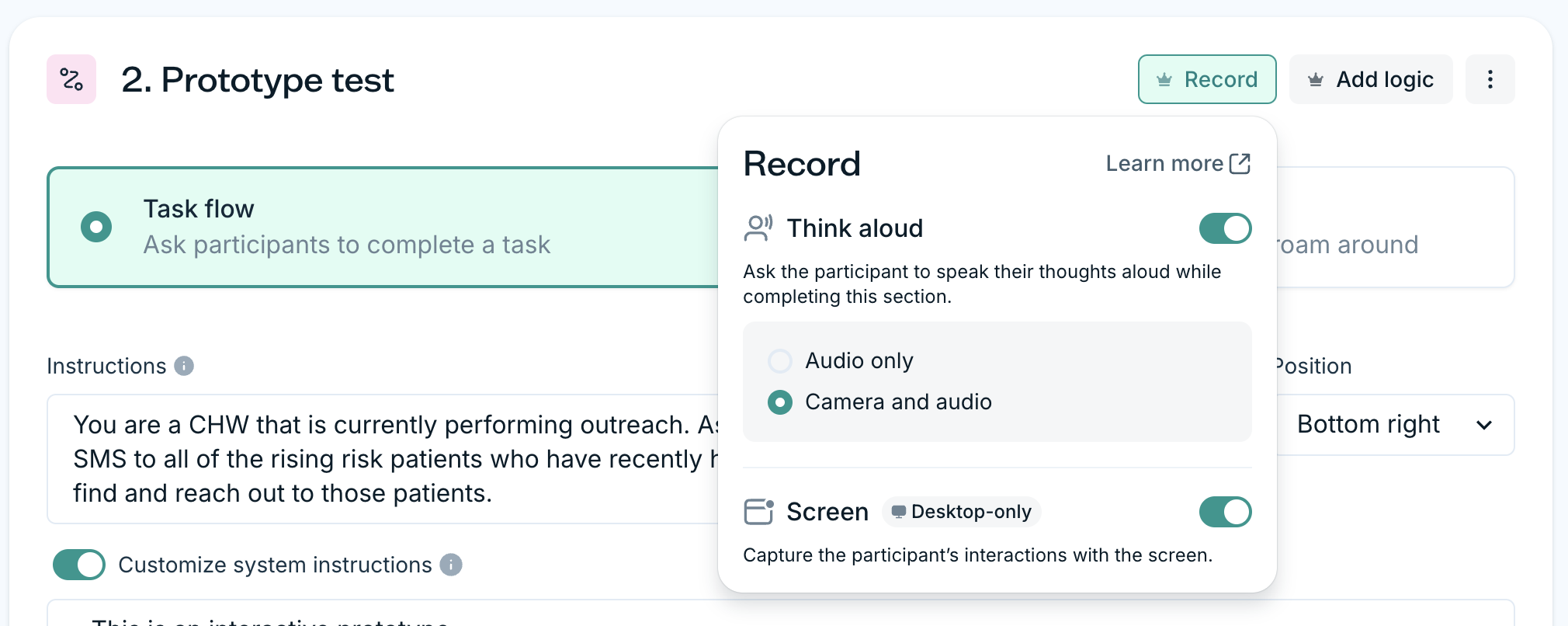
I established structured user testing and shadowing with care team members to validate concepts and refine solutions. This embedded user-centered design into the organization and drove product success over time.
Design Outcomes Top
- Scalable design system adopted across all product touchpoints
- Faster development cycles and streamlined handoffs
- Stronger cross-functional alignment
- Improved UX through consistent user validation
- High-performing, collaborative design team
Results Top
At Waymark, I strengthened design leadership, built scalable systems, optimized processes, and deepened cross-functional collaboration. By aligning design strategy with business objectives and user needs, we delivered impactful, human-centered solutions that supported both growth and care outcomes.